Tap water was filtered through the filtration system to clean the charcoal.
Water filtration experiment lab report.
In one water bottle add sand first and then gravel in the other bottle put the gravel in first and then the sand.
The water was filtered using a five step filtration process.
Construct your own sand water filter and learn about water filtration systems with this easy science project.
Distilled water were weighed and placed into a 125 ml erlenmeyer flask and the benzoic acid is heated until dissolved.
That water couldve mixed in with the water that we were filtrating and messed up the ending result of water.
This lab experiment could be improved.
We went to a little pond nearby to collect some water.
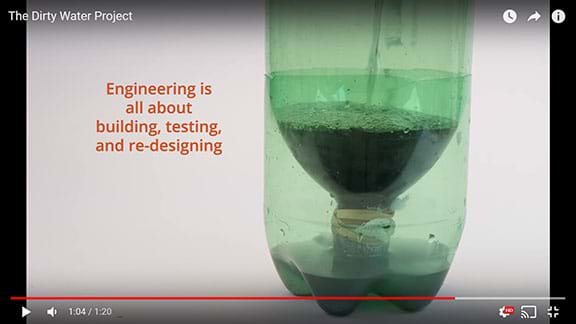
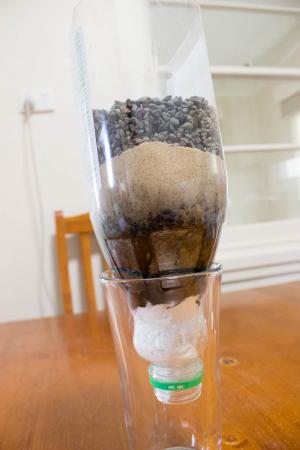
The filter system was made with sand charcoal and rocks.
Begin by getting a jar full of dirty water.
To meet this challenge students use an iterative process as they build test and measure the performance of the.
This document serves as a report should anyone want to duplicate the filtration experiment and compare values from the said report.
You will need a few supplies.
Filtration laboratory report free download as pdf file pdf text file txt or read online for free.
2 glass jars sand gravel 3 4 coffee filters dirty water a plastic cup with a hole cut in the bottom.
In this activity students are challenged to design and build a water filtration device using commonly available materials following the same design process used by the engineers and scientists who developed the international space station water recovery system for nasa.
Because we won t disinfect our water for this water project and will just be making an example water filtration system it is not safe to drink as this purification process and treatment process we will experiment with will not provide safe and pure water.
The ceramic funnel was heated with blow dryer and the weighed filter paper was placed into funnel and saturated with hot water.
How to do the water filtration experiment.
In the plastic cup start by lining the bottom with the coffee filters.
The end result of the purified water was cleaner compared to the foul water that was started with.
50 ml of distilled was heated to boiling in a beaker on a hot plate to use during experiment.
In the next experiment water treatment the hypothesis was rejected because the water appeared to be less polluted with a lesser amount of odor.
The idea is to see if the order of filtering materials makes a difference to how well the water is filtered all about variable testing.