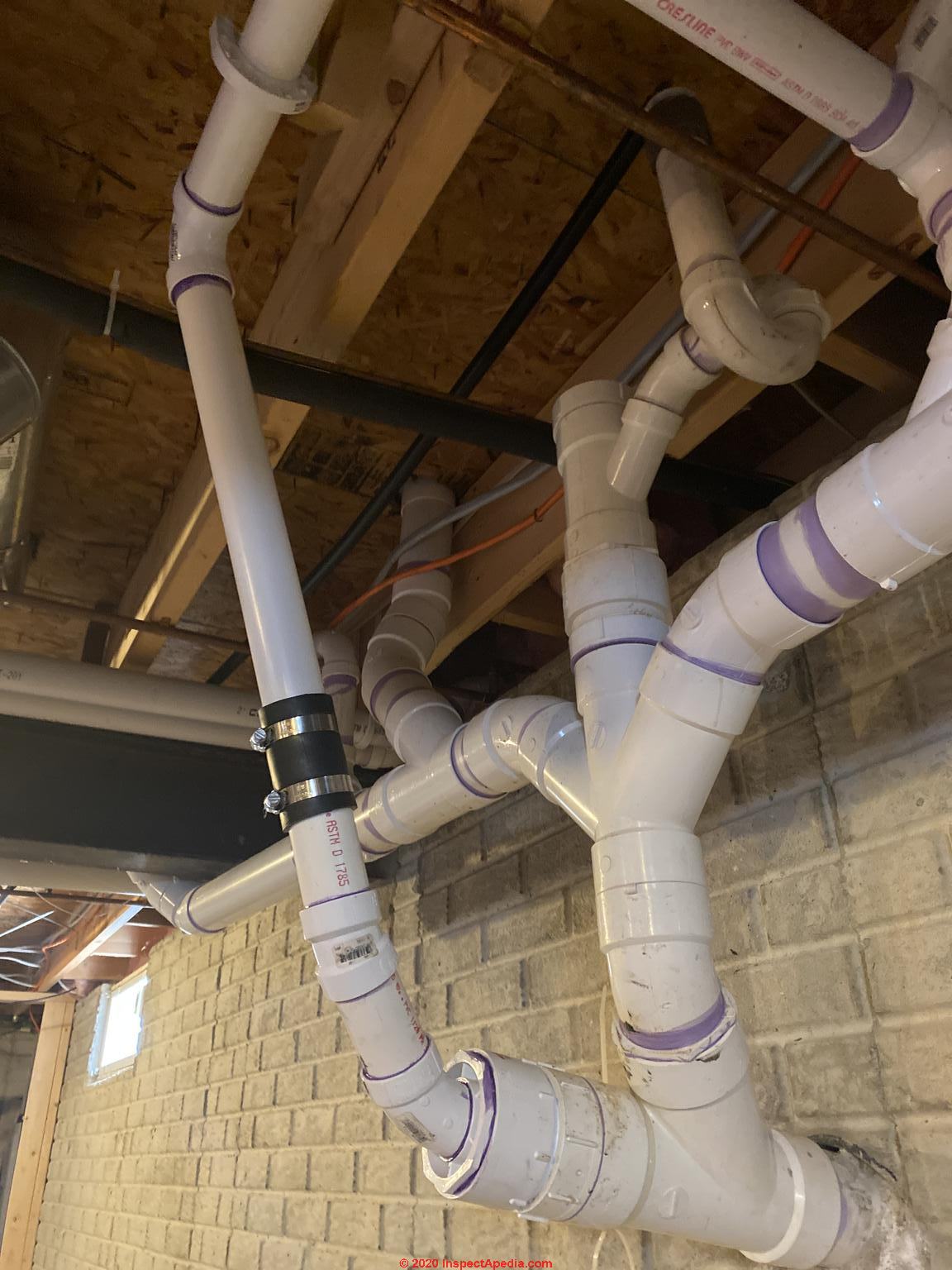
This causes two problems.
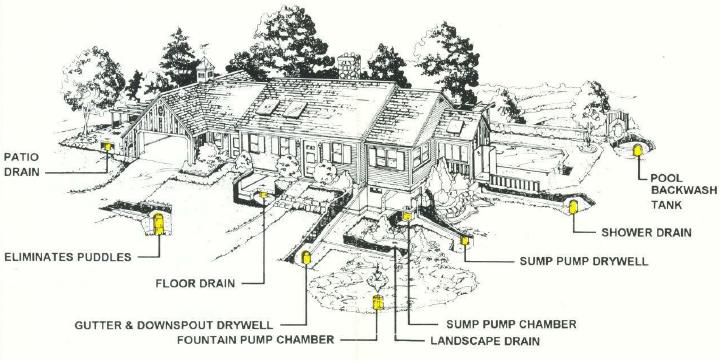
Water softener drain field.
If local code allows i would recommend diverting the softener backwash water to another location outside of the septic system.
Finally it was feared that the salt brine produced by the softener would hamper the drainage field s ability to absorb water and affect bacterial populations.
This is a large surge load which can upset the settling process in the tank.
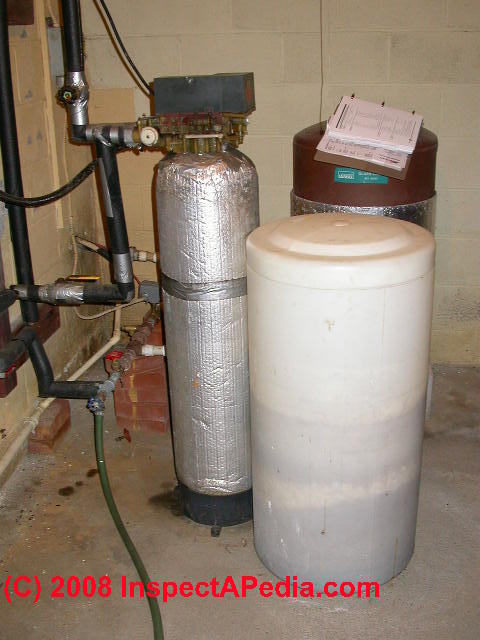
Watch for malfunctioning water softening equipment.
If you hear water running continuously in your drain you should track down the source to a leaky toilet tank faucet or malfunctioning water softener etc.
When the water softener resin is backwashed two or three times a week concentrated brine enters the wastewater stream as a slug of 38 to 112 gallons each backwash cycle.
The discharge was no more or less than that of any other household water using appliance.
The discharge from a water softeners regeneration will damage my septic system or drain field in studies conducted by scientists in the late 1970 s at the university of wisconsin it was confirmed that salt brine discharge from water softeners caused no problems in the operation of typical anaerobic or newer style aerobic home treatment.
A water softener dumps from 50 gallons to 100 gallons of water into the system when it regenerates.
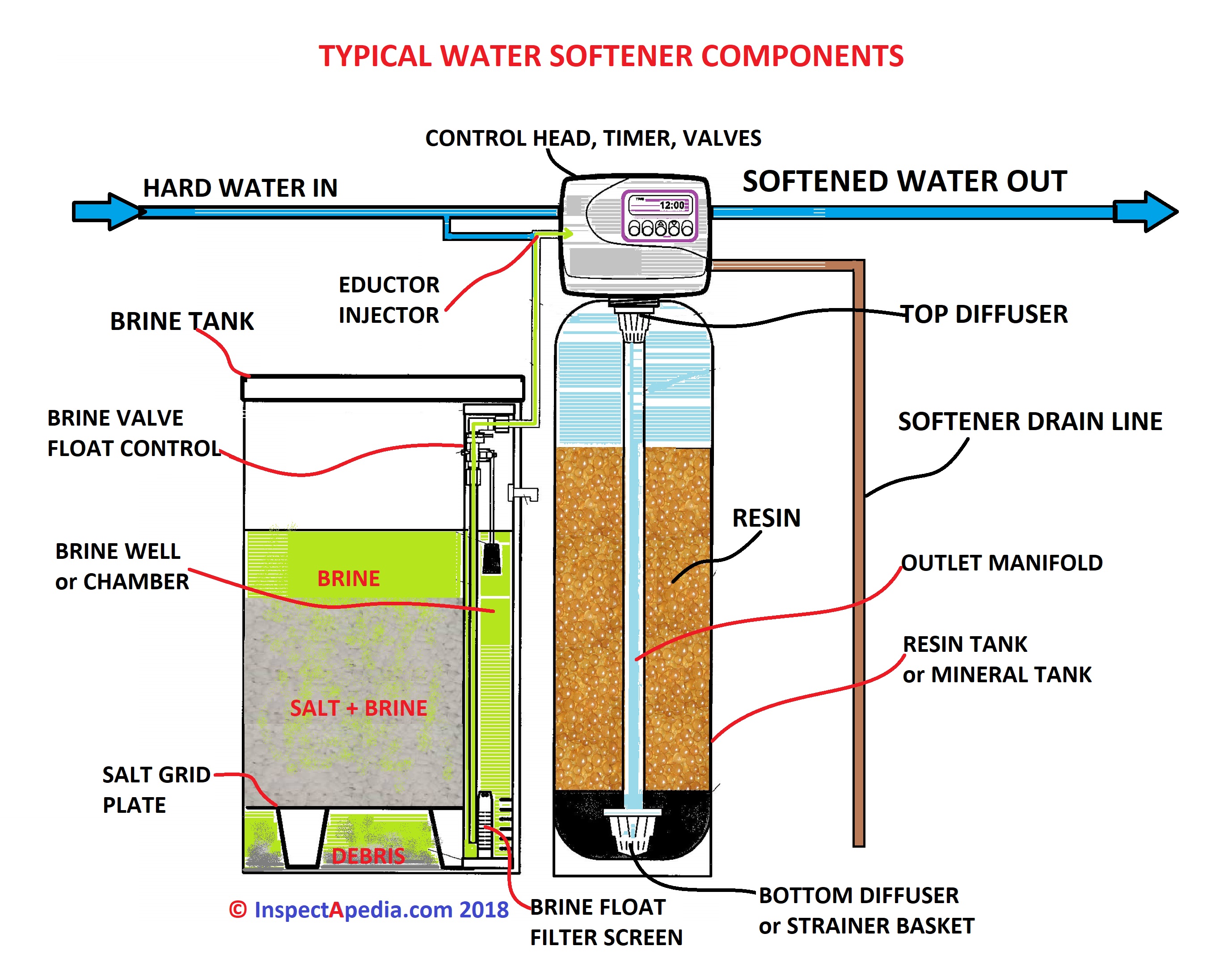
All softeners have a dlfc drain line flow control it controls limits the max gpm flow to drain.
In fact it can lend a hand.
Most won t flow more than 2 7 gpm.
According to most plumbing codes a water softener drain line must not be connected directly to the household waste system.
The max gpm dlfc for a large residential softener would not be more than 5 gpm.
One concern with water softeners and septic systems is that the amount and flow rate of the brine discharge can overflow a septic tank and back up the drain field.
One problem is that the septic tank discharges solids into the drainfield which can cause the soil to plug and the drainfield to fail.
A study commissioned in 2012 by the water quality research foundation reported that brine discharge from well operated water softeners 50 gallons per regeneration showed no overflow.
This assumption was based on agricultural studies of irrigation systems with a high sodium content.
Well we have some good news.
We have seen a septic drainfield completely flooded by a water softener that stuck in it s backwash cycle.
This is to prevent non potable water from flowing backwards possibly mixing and contaminating potable drinking water.
A backwashed or regenerated filter can go to 10 gpm.