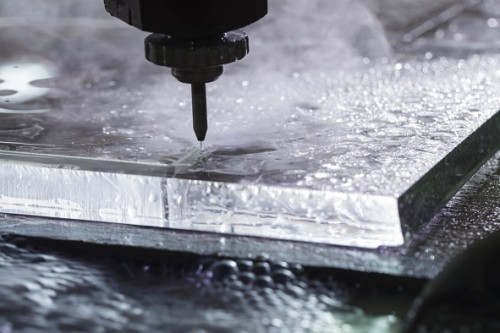
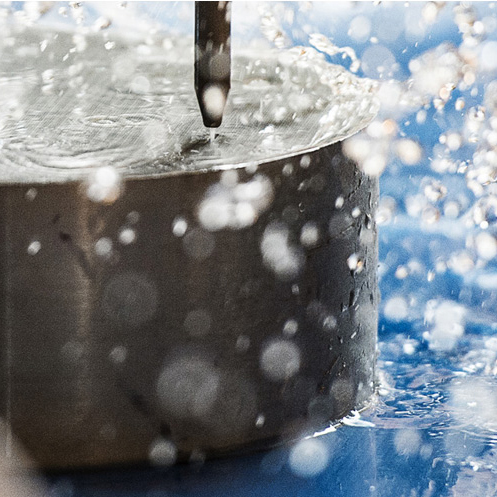
Precisely cut thin to thick glass without changing any tooling waterjet machining is a cold cutting process making it ideal for automotive medical and aerospace applications where the material cannot be affected by heat.
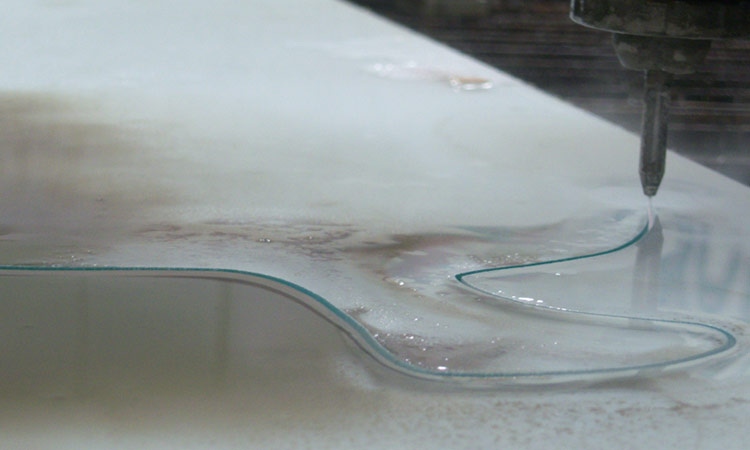
Water jet cutting thin glass.

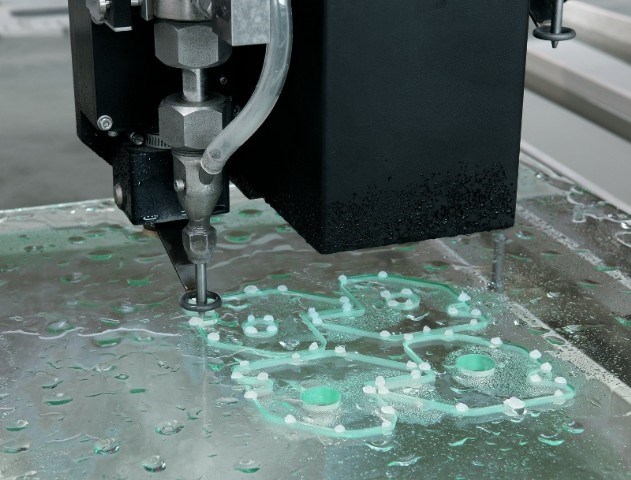
Cutting and piercing glass is not a problem with flow waterjet technology.
Hardened tool steel aluminum titanium and a host of exotic metals that prove difficult to cut with other tools or processes.
The clean very thin waterjet stream thinner than a strand of human hair does not cause the material being.
Pure waterjet is used for cutting softer materials including gasket foam food paper plastic and carpet.
Be sure to include a controlled lead out every time a cut is closed or the cut leads off the edge of the workpiece.
You may find that higher mesh sizes 100 120 or 150 at a flow rate of about 0 4 lbs 0 2 kg per minute give smoother results with less microchipping on the edges.
In fact this process supersedes the development of the abrasive waterjet used to cut harder materials such as stone glass and metals.
In addition since waterjet is a cold cutting method there are no heat affected.
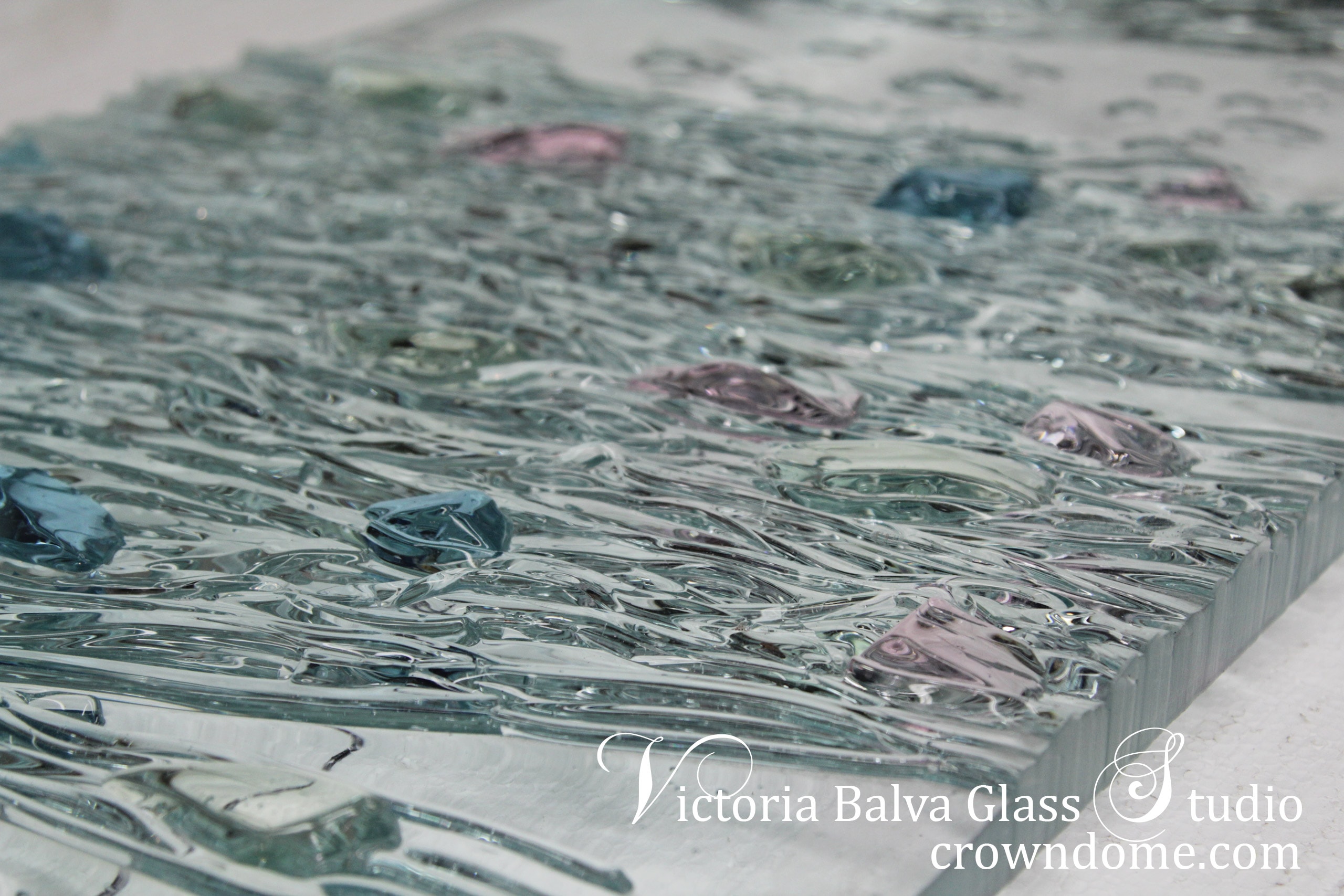
Cutting glass with waterjet.
Cutting with a waterjet produces a smooth edge with no burn marks cracking or excess burrs.
Unlike abrasive waterjet cutting however only pure waterjet is used to cut plastics and acrylics.
Waterjet machines cut all types of metals.
The term abrasive jet refers specifically to the use of a mixture of water and abrasive to cut hard materials such as metal or granite while the terms pure waterjet and.
In thin sheets of glass it may be necessary to slow down the cutting head to avoid adding excess vertical pressure to the sheet.
A good quality abrasive always provides better waterjet parts but it s particularly useful when working with difficult materials such as glass.
Abrasive waterjet is used to cut harder materials such as metal ceramic stone wood and glass.
Waterjet abrasives are typically made of garnet with grit size ranging from 50 to 220 mesh though 80 is the most common.